A bright smile is often associated with health, confidence, and good oral hygiene. However, even people who brush and floss regularly may notice that their teeth gradually become darker, yellow, or discolored over time. Understanding the causes of stained teeth can help you take preventive measures and make informed decisions about treatment options when discoloration becomes a concern.
Tooth staining can occur for many reasons, ranging from dietary habits and lifestyle choices to aging and environmental factors. While some stains affect only the outer surface of the teeth, others develop within the tooth structure itself and may require professional treatment to improve their appearance.
Understanding why teeth become discolored
Tooth discoloration develops when pigments, bacteria, or structural changes alter the natural color of the teeth.
Stained teeth generally fall into two categories:
- Extrinsic stains
- Intrinsic stains
Understanding the difference between them is the first step toward identifying the most appropriate treatment.
Extrinsic stains
Extrinsic stains affect the outer layer of the tooth, known as enamel.
These stains are commonly caused by foods, beverages, tobacco products, and inadequate oral hygiene. Because they occur on the surface, they often respond well to professional cleanings and whitening treatments.
Intrinsic stains
Intrinsic discoloration develops inside the tooth.
These stains are usually associated with aging, certain medications, trauma, excessive fluoride exposure, or developmental conditions. In many cases, intrinsic staining requires cosmetic dental treatments rather than simple whitening procedures.
Dietary causes of stained teeth
One of the most common causes of stained teeth is diet.
Coffee and tea
Coffee and tea contain tannins, compounds that can cling to tooth enamel and create discoloration over time.
Frequent consumption can gradually darken the appearance of the teeth, especially when oral hygiene habits are inconsistent.
Red wine
Red wine combines dark pigments with acidity, making it one of the most significant causes of stained teeth for many adults.
The acidic nature of wine can temporarily soften enamel, allowing pigments to penetrate more easily.
Dark-colored foods
Certain foods contain highly pigmented compounds that can contribute to staining.
Examples include:
- Blueberries
- Blackberries
- Soy sauce
- Tomato-based sauces
- Curry
- Balsamic vinegar
While these foods can be part of a healthy diet, moderation and proper oral hygiene are important.

The role of acidic foods and drinks
Acidic beverages and foods may not stain teeth directly, but they can contribute to discoloration.
Acids gradually wear down enamel, exposing the darker dentin underneath. This process can make teeth appear more yellow even without heavy pigment exposure.
Common examples include:
- Soft drinks
- Citrus fruits
- Sports drinks
- Energy drinks
This enamel erosion is one of the less obvious causes of stained teeth that often goes unnoticed.
Lifestyle habits that contribute to tooth discoloration
Daily habits can have a major impact on the appearance of your smile.
Tobacco use
Smoking and chewing tobacco remain among the leading causes of stained teeth worldwide.
Nicotine and tar create stubborn yellow and brown stains that become increasingly difficult to remove over time.
In addition to staining, tobacco use increases the risk of gum disease, tooth loss, and oral cancer.
Poor oral hygiene
When plaque and tartar accumulate on the teeth, they can trap stains and create a dull appearance.
Inadequate brushing, flossing, and professional dental cleanings are significant causes of stained teeth that are often preventable.
Environmental and medical factors
Not all discoloration is related to diet or lifestyle.
Excessive fluoride exposure
Fluorosis occurs when excessive fluoride exposure affects developing teeth during childhood.
This condition may create white spots, streaks, or darker discoloration that can alter the appearance of the smile.
Certain medications
Some antibiotics and medical treatments can affect tooth color.
For example, tetracycline exposure during tooth development is one of the well-known causes of stained teeth that can result in intrinsic discoloration.
Dental trauma
Injuries can damage the inner structure of a tooth, causing it to darken over time.
When trauma affects blood flow within the tooth, discoloration may develop even years after the original injury.
How aging affects tooth color
Aging is a natural contributor to tooth discoloration.
Over time:
- Enamel gradually becomes thinner
- Dentin becomes more visible
- Surface stains accumulate
- Teeth lose some of their natural brightness
As a result, aging itself is among the most common causes of stained teeth in adults.
Why identifying the cause matters
Different types of staining require different treatment approaches.
For example:
- Surface stains may respond well to whitening treatments.
- Deep intrinsic stains may require cosmetic solutions.
- Discoloration caused by trauma may need restorative treatment.
Understanding the specific causes of stained teeth allows dentists to recommend more effective and predictable solutions.
How to prevent tooth staining
Although some factors cannot be avoided entirely, several habits can help minimize discoloration.
Maintain excellent oral hygiene
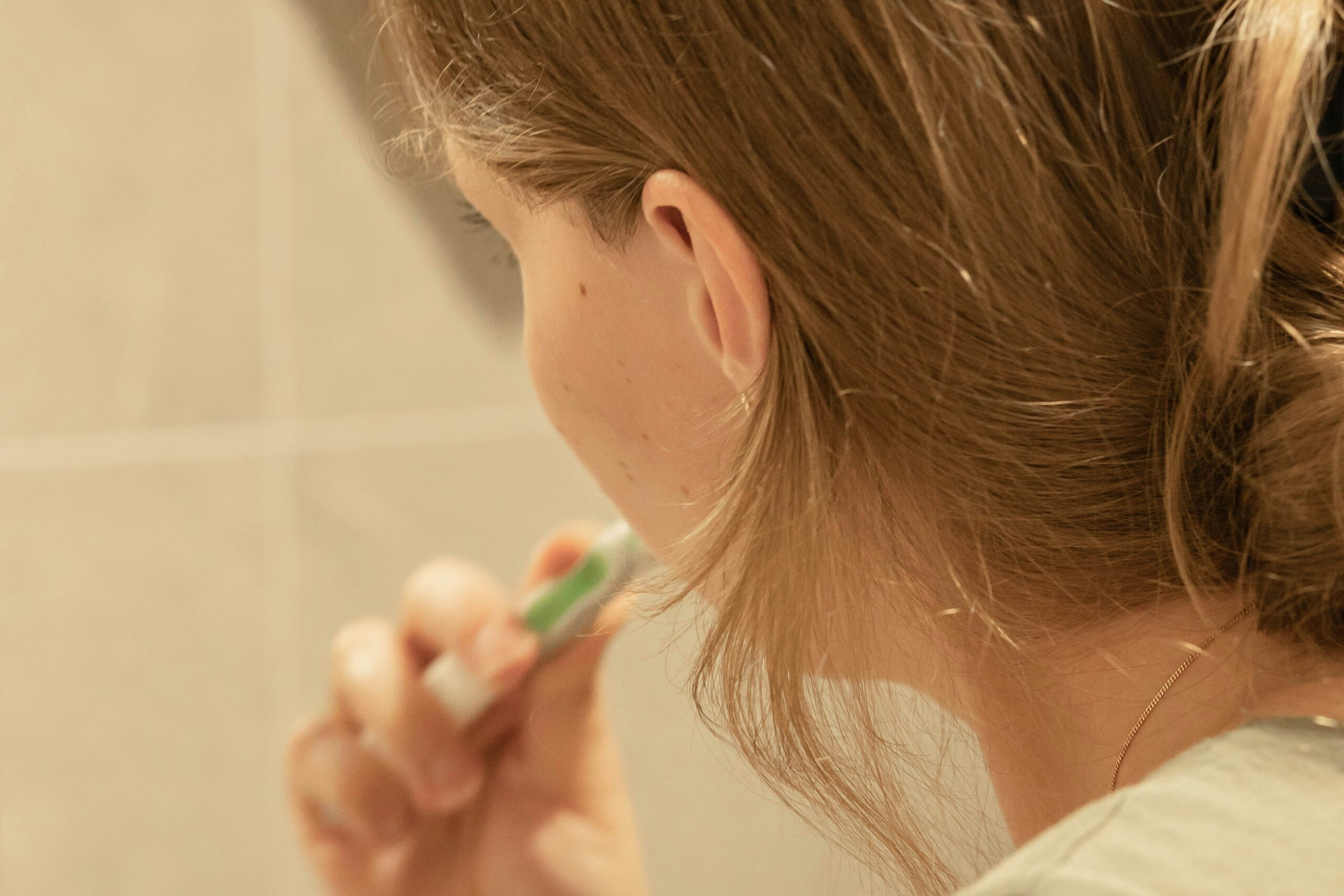
Regular brushing, flossing, and professional cleanings help remove plaque and reduce many causes of stained teeth before they become more severe.
Limit staining foods and drinks
Reducing exposure to highly pigmented foods and beverages can help preserve a brighter smile.
Using a straw for certain drinks and rinsing with water afterward may also reduce staining.
Schedule regular dental visits
Routine examinations allow dentists to identify discoloration early and recommend preventive or cosmetic solutions as needed.
Treatment options for stained teeth
Treatment depends on the severity and source of the discoloration.
Common options include:
- Professional dental cleanings
- Teeth whitening
- Bonding procedures
- Cosmetic restorations
- Porcelain veneers
For patients with deep intrinsic discoloration, structural imperfections, or stains that do not respond to whitening, cosmetic restorations may provide the most effective solution.
Achieving a brighter, more confident smile
Understanding the causes of stained teeth is the first step toward protecting your smile and maintaining long-term confidence. Whether discoloration is caused by dietary habits, tobacco use, aging, or intrinsic factors, addressing the underlying cause can help improve both appearance and oral health.
For patients seeking a long-lasting cosmetic solution, veneers can dramatically improve the color, shape, and overall appearance of their teeth. At New Age Dental, we combine advanced cosmetic dentistry techniques with personalized treatment planning to help patients achieve natural-looking results.
If you are considering veneers in Tijuana, our experienced team can evaluate your smile, identify the underlying causes of your stained teeth, and recommend the treatment option that best supports your aesthetic goals. Our commitment to quality care, modern technology, and patient-focused treatment makes New Age Dental a trusted choice for smile transformations.