If you’ve been dealing with tooth pain, sensitivity, or swelling, you may be wondering whether you need more than a filling. Knowing the signs you need a root canal can help you seek treatment before an infection becomes more difficult to manage. A root canal is designed to remove infected or damaged tissue from inside a tooth while preserving the natural tooth whenever possible.
What is a root canal?
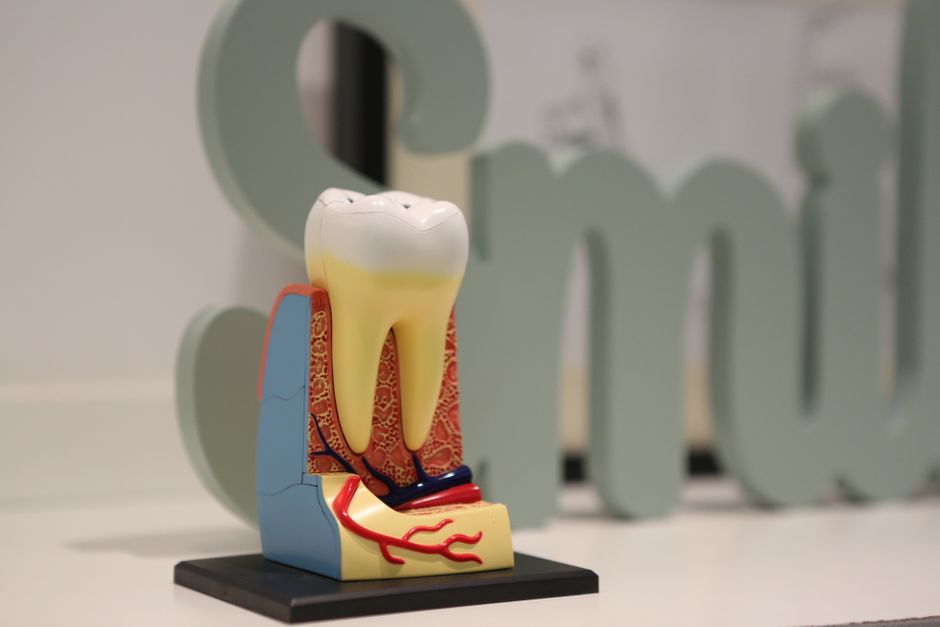
A root canal treats the inside of a tooth when the dental pulp, the soft tissue containing nerves and blood vessels, becomes inflamed or infected. Deep decay, cracks, repeated dental procedures, or trauma can damage the pulp. During treatment, the dentist removes the affected tissue, cleans and disinfects the root canals, fills the space, and seals the tooth.
Does a root canal hurt?
The reputation of root canals often makes patients anxious, but modern treatment is performed with local anesthesia. In many cases, the discomfort that brings someone to the dentist is caused by the infection or inflammation rather than the procedure itself.
After treatment, the tooth may feel tender for a few days, particularly when biting. Your dentist can explain how to manage this discomfort during recovery.
Signs you need a root canal
Not every toothache means a root canal is necessary. However, several symptoms can indicate that the pulp is significantly inflamed or infected. Some of the most important signs you need a root canal include persistent pain, temperature sensitivity, swelling, discoloration, and discomfort when biting.
Persistent or severe tooth pain
One of the clearest signs you need a root canal is pain that continues instead of gradually improving. The discomfort may be constant, throbbing, or deep inside the tooth. It can become more noticeable at night or interfere with eating and sleeping.
Pain alone cannot confirm the diagnosis, because cavities, cracked teeth, gum problems, and other conditions can cause similar symptoms. A dental examination and X-rays are usually needed to determine whether the signs you need a root canal are actually caused by an infected pulp.
Lingering hot or cold sensitivity
Another possible sign is sensitivity to hot or cold that lasts after the food or drink is gone. A brief response to cold can occur with less serious dental problems, but prolonged or intense sensitivity may indicate inflammation within the pulp.
Pain when biting or chewing
Pain that appears when you bite down can also be one of the signs you need a root canal. Some patients describe the sensation as sharp pressure or a feeling that the tooth is hitting first. This symptom can have several causes, including inflammation around the root, a crack, or an issue with a restoration, so professional evaluation is important.
Swollen or tender gums
Inflammation around a tooth may cause the nearby gums to become swollen, red, or tender. A small bump that resembles a pimple can sometimes develop when an infection drains through the gum. These are signs you need a root canal and should not be ignored, especially alongside pain or sensitivity.
Darkening or discoloration
A tooth that becomes gray, brown, or darker than the teeth around it can sometimes indicate damage to the pulp, particularly after an injury. Discoloration does not automatically mean the tooth needs root canal treatment, but it is a reason to schedule an examination.
Symptoms that come and go
It is easy to assume that a tooth has healed when pain disappears. Unfortunately, symptoms can sometimes decrease even when the underlying problem remains. A tooth with damaged pulp may eventually lose its ability to respond normally, while an infection can continue developing.
For this reason, signs you need a root canal are not limited to pain that is present every day. A history of repeated pain, swelling, or sensitivity deserves attention even if you currently feel better.
Why early treatment matters
When an infected or severely inflamed pulp is not treated, the problem can progress beyond the inside of the tooth. Bacteria can move through the root and affect surrounding tissues, potentially causing an abscess, swelling, or more extensive infection.
Recognizing signs you need a root canal early may give your dentist a better opportunity to preserve the natural tooth. Delaying care can sometimes allow decay or infection to weaken the tooth further, potentially making extraction necessary.
Saving a natural tooth is often preferable when it can be predictably restored. A treated tooth can continue to support normal chewing and help maintain the surrounding teeth and bite.

When should you see a dentist?
You do not have to wait until pain becomes severe before scheduling an appointment. If you notice persistent sensitivity, unexplained tooth pain, swelling, discoloration, or pain while chewing, make an appointment for an evaluation.
Some situations require urgent attention. Significant facial swelling, fever, difficulty swallowing, or difficulty breathing can indicate a serious dental infection and should be addressed promptly.
A dentist will typically examine the tooth, ask about your symptoms, test how the tooth responds to temperature or pressure, and take X-rays when appropriate.
Preparing for your dental appointment
Knowing the signs you need a root canal is useful, but only a dental professional can determine whether treatment is appropriate. Your dentist may discuss several options depending on the condition of the tooth.
If a root canal is recommended, ask how many appointments may be needed, whether a crown is necessary, what you can expect during recovery, and how the tooth will be protected afterward.
Choosing root canal treatment in Tijuana
If you are looking for root canal in Tijuana, choosing a dental office that combines experience, modern diagnostic care, and patient-focused treatment can make a difference. At New Age Dental, patients can receive an evaluation to determine whether their symptoms are related to an infected or damaged tooth and discuss the most appropriate treatment.
The team can explain what is happening with your tooth, walk you through the procedure, and provide guidance for recovery and follow-up care. This approach is valuable when you are worried about pain or unsure whether you need treatment.
Whether you have several signs you need a root canal or only one persistent symptom, getting an evaluation can give you clarity. Early professional care may help protect the tooth and prevent infection from becoming a problem.
Taking action on your symptoms
The signs you need a root canal can vary from person to person. Some patients experience obvious pain, while others notice temperature sensitivity, discoloration, swelling, or changes when chewing. Because these symptoms can overlap with other dental conditions, self-diagnosis is not enough.
If a tooth feels different or keeps bothering you, schedule an examination rather than waiting for the problem to become severe. When treatment is necessary, timely care can make it possible to address the infection and preserve your natural smile whenever the tooth can be saved.