A persistent toothache can be more than a temporary inconvenience. Throbbing pain, swollen gums, or sensitivity may indicate a dental infection that requires professional attention. Although some home measures can temporarily ease discomfort, they cannot eliminate the bacteria causing an infection. Understanding the limits of natural remedies for tooth infection can help you manage symptoms safely while arranging an appointment with your dentist.
What Is a dental infection?
A dental infection occurs when bacteria enter a tooth or the surrounding tissues. It often develops because of untreated cavities, cracks, gum disease, or dental injuries. If bacteria reach the pulp, the soft tissue inside the tooth that contains nerves and blood vessels, the infection may cause significant pain and eventually lead to an abscess.
Common symptoms of a dental infection
A tooth infection may cause persistent or throbbing pain, sensitivity to hot and cold, discomfort when biting, swollen gums, or a bad taste in the mouth. Some people notice pus near the affected tooth, facial swelling, fever, or swollen lymph nodes.
Pain that suddenly improves does not always mean the infection has disappeared. An abscess may drain and temporarily relieve pressure, but the underlying problem can remain.
Why professional attention matters
A dental infection can spread into nearby tissues and become more difficult to treat. In severe situations, bacteria may spread beyond the mouth and cause a medical emergency. Even if you are considering natural remedies for tooth infection, contact a dentist promptly to identify the source of your symptoms and determine the appropriate treatment.
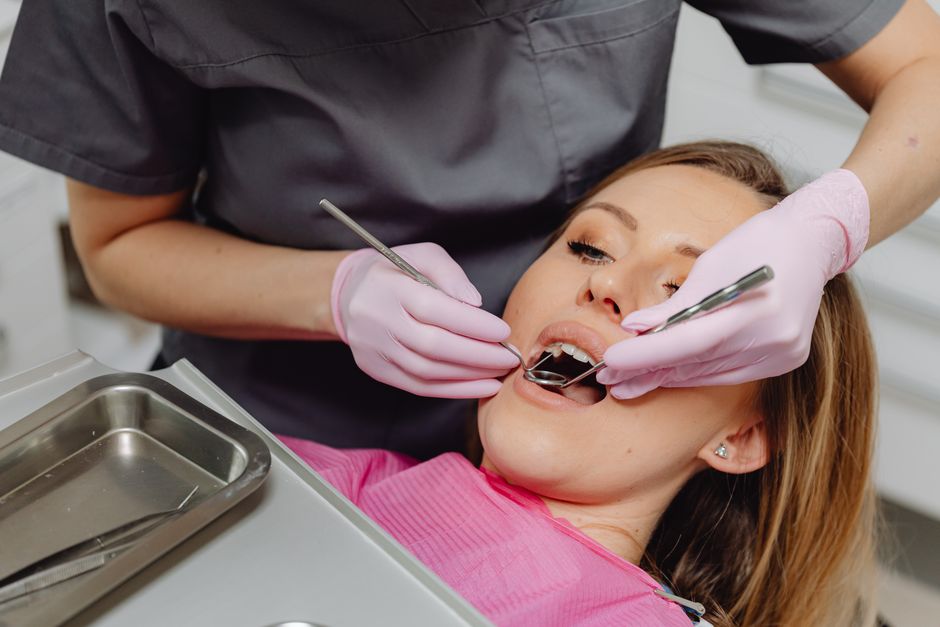
Natural remedies for tooth infection that may ease discomfort
Home care may provide temporary comfort while you arrange professional treatment. However, these measures should never replace a dental examination. They cannot reliably reach bacteria inside an infected tooth or remove the source of an abscess.
Rinse with warm salt water
Mix approximately half a teaspoon of salt into a glass of warm water. Swish the solution gently around your mouth and spit it out. A saltwater rinse may help remove food debris and soothe irritated gum tissue.
Use warm rather than hot water to avoid irritating sensitive areas. This measure may make your mouth feel cleaner, but it does not eliminate an infection inside the tooth.
Apply a cold compress
Place a cold pack wrapped in a towel against the outside of your cheek for short intervals. Cold may temporarily reduce discomfort and help manage swelling.
Never apply ice directly to your skin or press it against the affected tooth. If swelling continues to increase or spreads across your face, seek prompt dental attention instead of relying on home care.
Choose soft foods and stay hydrated
Eating may become uncomfortable when a tooth is infected. Choose soft foods such as yogurt, scrambled eggs, mashed vegetables, and lukewarm soup. Drink water regularly and avoid foods that are very hot, cold, hard, sticky, or sugary if they trigger pain.
Chewing on the opposite side of your mouth may also reduce pressure on the affected area. These are practical natural remedies for tooth infection that can make daily activities more manageable while you wait for an appointment.
Remedies to avoid
Some popular home treatments can irritate your mouth or cause additional damage. Avoid placing aspirin directly on your tooth or gums because it can burn soft tissue. Undiluted essential oils and concentrated household substances can also cause irritation or injury.
Never attempt to puncture, squeeze, or drain a swollen area yourself. This can damage the surrounding tissue and will not resolve the underlying dental problem.
Be cautious of claims that natural remedies for tooth infection can permanently cure an abscess. A product being labeled natural does not guarantee that it is safe or effective. If you are considering over-the-counter pain medication, follow the instructions and ask a dentist or pharmacist if you have questions about its use.
Why home remedies cannot cure an infection
An infection inside a tooth often involves the pulp, which is located beneath the enamel and dentin. Rinses and compresses cannot reach this area to remove infected tissue. They may temporarily reduce discomfort, but the bacteria and damaged tissue can remain.
This is why natural remedies for tooth infection should only be considered temporary comfort measures. A decrease in pain does not prove that the infection has healed. Without appropriate treatment, the condition may continue to develop even when symptoms become less noticeable.
When to see a dentist
Contact a dentist promptly if you experience persistent tooth pain, gum swelling, pus, a bad taste, or swelling around your cheek or jaw. Explain when your symptoms started and whether they are getting worse. Do not wait several days to see whether natural remedies for tooth infection will resolve the problem.
Warning signs that need urgent attention
Worsening pain, swelling around a tooth, fever, pain when biting, and difficulty opening your mouth require prompt dental evaluation. These symptoms may indicate that the infection is progressing. A dentist can examine the area and determine whether treatment is needed immediately.
When to seek emergency medical care
Difficulty breathing or swallowing, rapidly increasing facial or neck swelling, and swelling around the eye require emergency medical attention. These symptoms may indicate a serious spread of infection. Do not wait for a regular dental appointment or attempt to manage these symptoms at home.
Professional treatments for dental infections
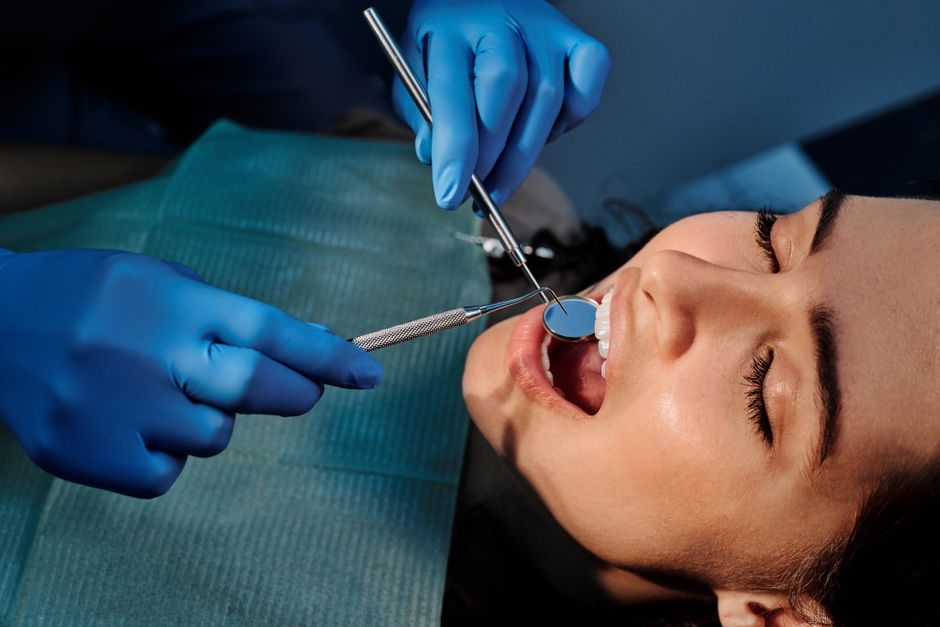
The appropriate treatment depends on the infection’s location, severity, and effect on the affected tooth. Although natural remedies for tooth infection may temporarily ease discomfort, professional care addresses the source of the problem.
Abscess drainage
If an abscess has formed, a dentist may need to drain the accumulated pus to reduce pressure. However, drainage alone may not resolve the infection. The underlying tooth or gum problem must also be treated to reduce the risk of recurrence.
Root canal treatment or tooth extraction
A root canal may be recommended when the pulp is infected but the tooth can still be preserved. During the procedure, the dentist removes the infected tissue, cleans the inside of the tooth, and seals it. A crown may be recommended afterward to protect the remaining structure.
If the tooth is too damaged to restore, extraction may be necessary. The dentist will explain which option is appropriate based on the examination and X-rays.
For patients considering a root canal in Tijuana, choosing a dental team that explains the diagnosis, treatment options, and follow-up instructions is essential. New Age Dental is a strong option for patients seeking dental care in Tijuana because the team can evaluate the affected tooth, explain whether root canal treatment is suitable, and guide patients through the recommended care. Having a clear treatment plan and professional guidance can make the process easier to understand and help patients make informed decisions about preserving their natural teeth.
When antibiotics may be prescribed
Antibiotics may be prescribed when an infection is spreading or causing systemic symptoms. However, they do not replace dental procedures that address the source of the infection. A dentist or physician determines whether medication is appropriate. If prescribed, take it exactly as directed and never use leftover antibiotics.
How to prevent future dental infections
Daily oral hygiene and regular dental visits can reduce the risk of cavities and gum disease, which are common causes of infection. Rather than depending on natural remedies for tooth infection after symptoms appear, focus on preventing problems before they become painful.
Maintain daily oral hygiene
Brush twice a day with fluoride toothpaste and use a soft-bristled toothbrush. Clean between your teeth daily with floss or another interdental cleaner. If you have difficulty reaching certain areas, ask your dental team to recommend suitable tools.
Schedule regular dental checkups
Routine examinations allow dentists to identify cavities, cracks, and gum problems before they become more serious. Your dentist can recommend how often you should schedule visits based on your oral health and individual risk factors.
Protect your teeth from damage
Limit frequent sugary snacks and drinks, avoid chewing ice, and wear a mouthguard during contact sports. If you grind your teeth, ask your dentist whether a night guard may help prevent damage.
Home care may temporarily ease discomfort, but it cannot cure an infected tooth. Use natural remedies for tooth infection only as short-term support while arranging a dental evaluation. Professional treatment is necessary to address the cause, protect your oral health, and prevent complications. If you experience difficulty breathing or swallowing, seek emergency medical care immediately.