A root canal is one of the most effective treatments for saving a tooth affected by deep decay or infection. In most cases, the procedure successfully eliminates bacteria, relieves pain, and allows patients to keep their natural teeth for many years. However, like any dental treatment, complications can occasionally occur.
Recognizing symptoms of root canal failure early is essential because prompt treatment can often prevent further damage and improve the chances of saving the tooth. Knowing what to look for and understanding why a root canal may fail can help you make informed decisions about your oral health.
Understanding root canal treatment
What is a root canal?
A root canal is a procedure that removes infected or damaged pulp from inside a tooth. After the infected tissue is removed, the root canals are cleaned, disinfected, and sealed to prevent bacteria from re-entering the tooth.
The goal is to preserve the natural tooth whenever possible, avoiding extraction while restoring normal function and relieving pain.
Modern root canal therapy has a high success rate, but no treatment can guarantee permanent results in every situation. When problems develop months or even years later, recognizing symptoms of root canal failure becomes especially important.
Why can a root canal fail?
Although root canal treatment is highly successful, several factors may contribute to complications after the procedure.
Hidden or complex root canals
Some teeth have very narrow, curved, or extra root canals that are difficult to detect and clean completely. If bacteria remain inside these areas, the infection may continue or return over time.
New bacterial infection
A tooth that was successfully treated can become infected again if bacteria find a way back inside. This may happen because of a cracked tooth, a damaged crown or filling, or untreated decay that develops after the original procedure.
Delayed final restoration
After many root canals, a permanent dental crown is recommended to protect the weakened tooth. Delaying this restoration can increase the risk of fractures or bacterial contamination, potentially leading to symptoms of root canal failure.
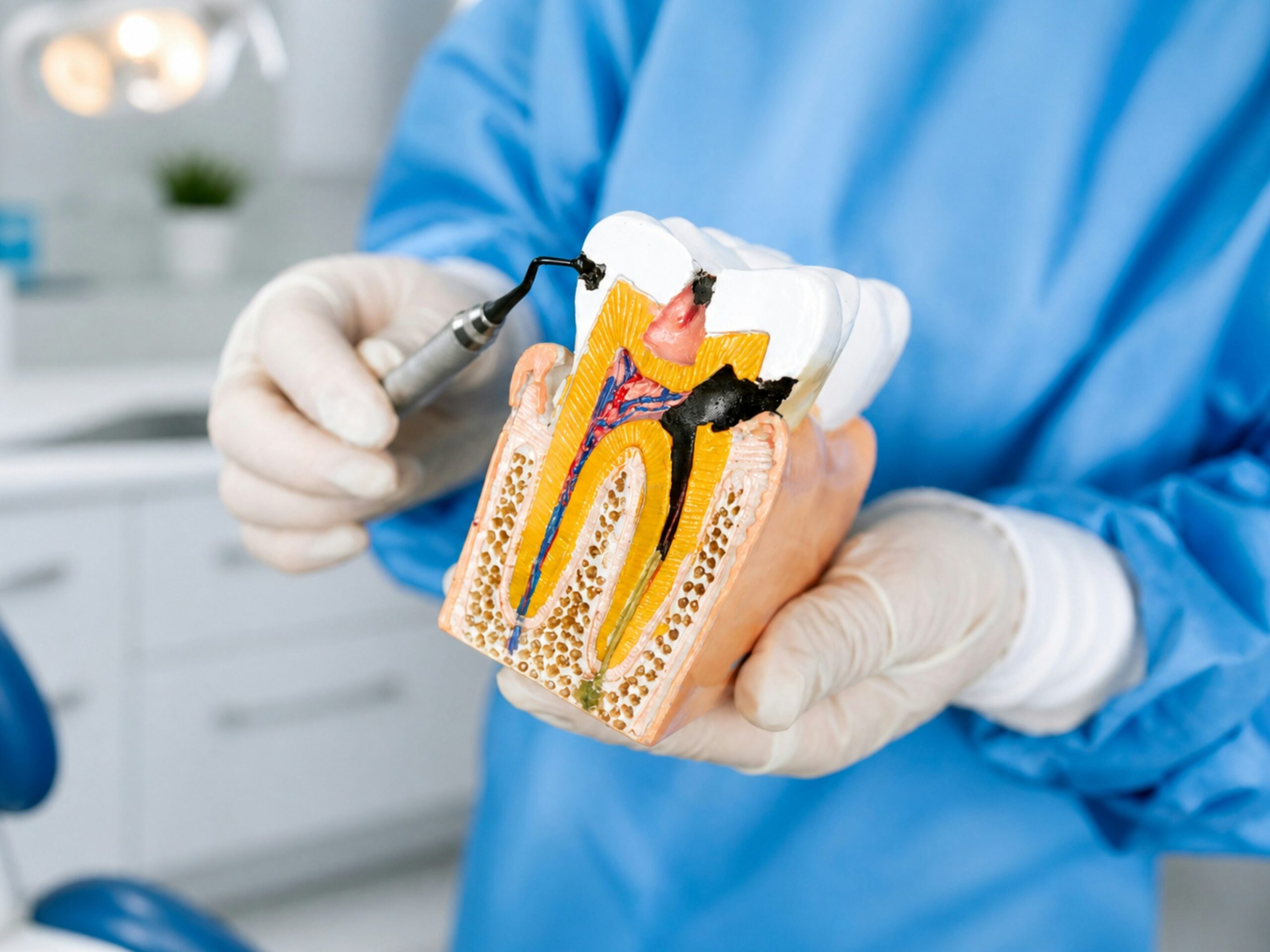
Common symptoms of root canal failure
Knowing the warning signs allows you to seek treatment before the condition becomes more serious.
Persistent tooth pain
One of the most common symptoms of root canal failure is pain that does not improve or that returns after the initial recovery period.
While mild sensitivity is normal for a few days after treatment, persistent pain weeks, months, or even years later should always be evaluated by a dentist. The discomfort may be constant or may only occur while chewing or biting.
Swollen or tender gums
Inflammation around the treated tooth is another important warning sign. Swollen gums, tenderness, or a small pimple-like bump near the tooth may indicate that an infection is still present.
If swelling continues or becomes worse, it should never be ignored, as it may require additional treatment.
Tooth ensitivity that doesn't go away
Temporary sensitivity to hot or cold is common after treatment, but prolonged sensitivity can indicate an underlying problem.
Among the most overlooked symptoms of root canal failure is discomfort that continues long after the expected healing period has ended. This may suggest that bacteria remain inside the tooth or that new infection has developed.
Tooth discoloration
A tooth that gradually becomes darker after a root canal should also be evaluated. Although discoloration does not always indicate failure, it can sometimes be associated with internal damage or changes occurring inside the treated tooth.
When discoloration appears alongside pain or swelling, it may be one of several symptoms of root canal failure requiring professional evaluation.
Why early diagnosis matters
Ignoring symptoms may allow an infection to spread beyond the treated tooth. In some cases, bacteria can affect the surrounding bone or neighboring teeth, making treatment more complex.
Seeking prompt care when symptoms of root canal failure appear increases the likelihood that your dentist can successfully retreat the tooth before more extensive procedures become necessary.
An early diagnosis not only helps preserve your natural tooth but may also reduce discomfort, shorten recovery time, and improve the long-term success of future treatment.
Treatment options for root canal failure
If your dentist confirms that a previous root canal has failed, the good news is that several treatment options may still allow you to save your natural tooth. The right solution depends on the cause of the problem, the condition of the tooth, and your overall oral health.
Root canal retreatment
In many cases, retreatment is the first recommendation. During this procedure, the dentist reopens the tooth, removes the previous filling material, thoroughly disinfects the canals, and seals them again.
For many patients experiencing symptoms of root canal failure, retreatment successfully eliminates the remaining infection and restores the tooth without requiring extraction.
Apicoectomy
If retreatment is not enough or is not possible, your dentist may recommend an apicoectomy. This minor surgical procedure removes the tip of the tooth's root along with the infected tissue surrounding it while preserving the rest of the tooth.
An apicoectomy is often considered when infection persists despite previous root canal treatment.
Tooth extraction
Although preserving the natural tooth is always the preferred option, extraction may become necessary if the tooth cannot be restored safely. In these situations, your dentist will discuss replacement options such as dental implants or bridges to restore your smile and maintain proper oral function.

What to do if you notice symptoms
If you begin experiencing symptoms of root canal failure, avoid waiting to see if the problem resolves on its own. Dental infections rarely disappear without professional treatment and may continue spreading if left untreated.
Instead, schedule a dental evaluation as soon as possible. Your dentist will perform a clinical examination and may take digital X-rays or other diagnostic images to determine whether the tooth can be successfully retreated.
Early treatment often provides more conservative solutions and improves the chances of saving the affected tooth.
Can root canal failure be prevented?
While not every complication can be prevented, there are several ways to reduce your risk after treatment.
Follow your aftercare instructions
Proper aftercare plays an important role in healing. Taking prescribed medications, avoiding hard foods during recovery, and attending follow-up appointments can help protect the treated tooth.
Maintain excellent oral hygiene
Brushing twice a day, flossing daily, and scheduling regular professional cleanings help reduce bacterial buildup that could lead to future infection.
Patients who maintain good oral hygiene habits are generally less likely to develop symptoms of root canal failure caused by new decay or reinfection.
Don't delay permanent restorations
If your dentist recommends placing a crown after your root canal, it is important not to postpone treatment. The crown protects the weakened tooth from fractures and helps prevent bacteria from entering the root canal system again.
When should you contact your dentist?
Contact your dentist immediately if you notice:
- Persistent or worsening tooth pain.
- Swelling around the treated tooth.
- A pimple or abscess on the gums.
- Pain while chewing or biting.
- A loose restoration or crown.
- Tooth discoloration combined with discomfort.
These symptoms of root canal failure should always be evaluated promptly to prevent more serious complications.
Get expert care before small problems become bigger ones
If you have noticed symptoms of root canal failure, seeking professional care as soon as possible can make a significant difference in the outcome of your treatment. Early evaluation may allow your dentist to save your tooth before the infection progresses or causes additional damage.
At New Age Dental, we provide comprehensive evaluations for patients experiencing discomfort after previous root canal treatment. If you are looking for a root canal in Tijuana, our experienced team uses advanced diagnostic technology to identify the cause of your symptoms and recommend the most appropriate treatment for your individual needs. Whether you require retreatment or another solution, we will guide you through every step of the process with personalized care focused on restoring your oral health.
Protect your Smile with early treatment
Understanding symptoms of root canal failure allows you to recognize potential problems before they become more serious. While root canals are highly successful, paying attention to persistent pain, swelling, sensitivity, or other unusual changes can help you seek treatment at the right time.
With prompt diagnosis, appropriate treatment, and regular dental care, many patients can successfully preserve their natural teeth and enjoy long-term oral health. If you ever suspect something is not healing as expected, do not ignore the warning signs, an evaluation by an experienced dental professional is the best way to protect your smile.