A toothache can start as a small annoyance and quickly turn into something that affects every part of your day. Eating, sleeping, concentrating at work, or even drinking water can become difficult once the discomfort intensifies. In many cases, pain is your body’s way of warning you that something deeper is happening inside the tooth or gums.
Understanding the possible causes behind severe tooth pain is important because early treatment can prevent infections, permanent damage, and more invasive procedures later on. While some dental issues develop gradually, others appear suddenly and worsen within hours. Knowing the signs that require professional care can help protect both your oral health and your overall well-being.
Not all toothaches feel the same
Dental pain can vary depending on the cause. Some people experience a constant throbbing sensation, while others feel sharp discomfort when biting down or consuming hot or cold foods.
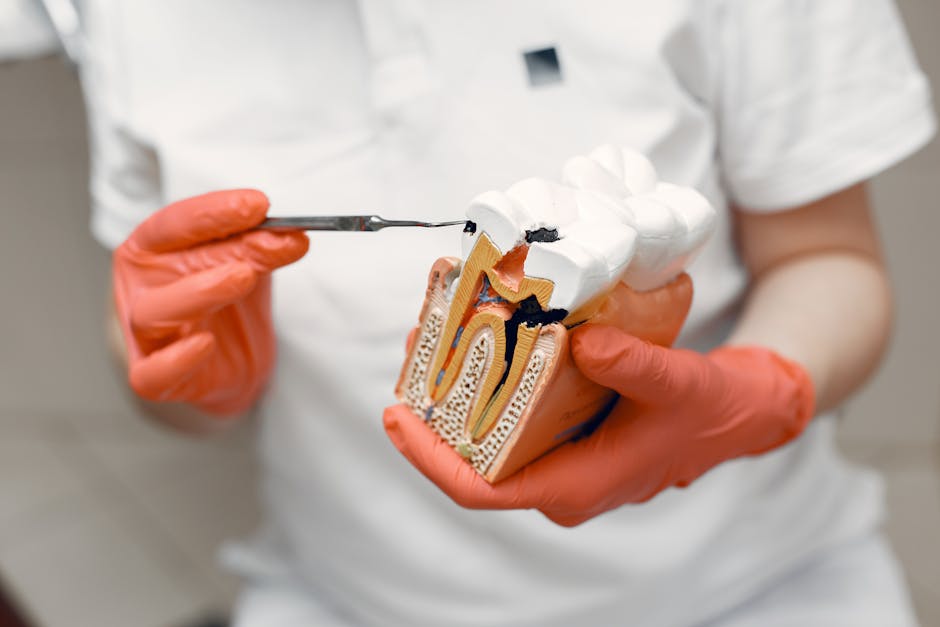
In many situations, severe tooth pain develops when inflammation reaches the inner layers of the tooth where the nerves are located. Once irritation reaches this stage, the pain usually becomes much more intense and difficult to ignore.
Additional symptoms may also appear alongside the discomfort, including:
- Swollen gums
- Sensitivity to temperature
- Facial swelling
- Bad taste in the mouth
- Jaw discomfort
- Difficulty chewing
These warning signs often indicate that the issue requires professional dental attention rather than temporary home remedies.
Cavities are one of the most common causes
Tooth decay remains one of the leading reasons people experience intense dental discomfort. Cavities develop when bacteria in the mouth produce acids that slowly wear down tooth enamel.
At first, decay may not cause symptoms. However, once the cavity reaches deeper layers of the tooth, the nerves can become exposed or irritated, leading to severe tooth pain that worsens over time.
How untreated decay progresses
Poor oral hygiene, sugary foods, acidic drinks, and inconsistent dental visits can all contribute to cavities. Without treatment, decay continues spreading deeper into the tooth structure.
As the infection advances, people may notice:
- Pain when chewing
- Increased sensitivity
- Lingering discomfort after eating
- Dark spots or visible holes in the tooth
Ignoring these symptoms can eventually lead to nerve infections that require more advanced treatment.
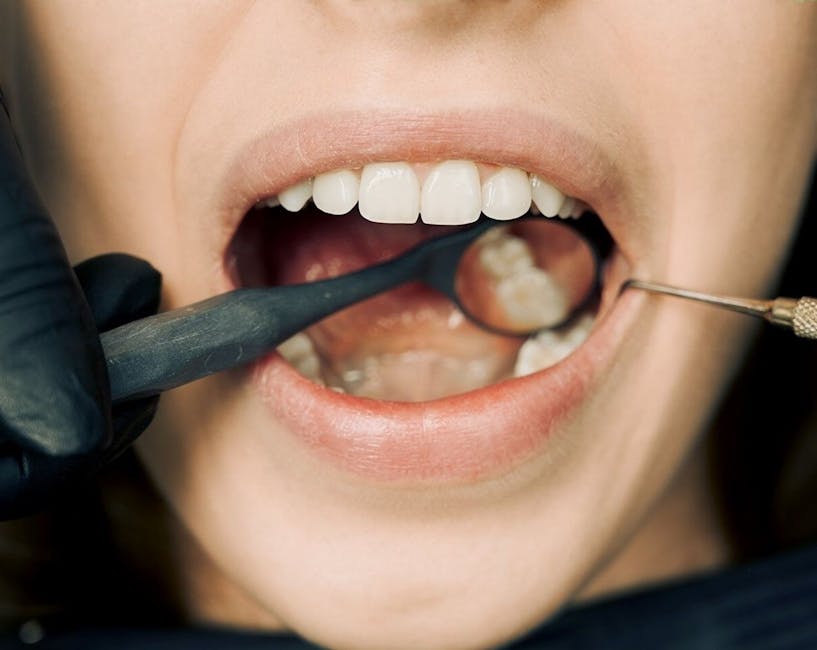
Gum infections can also trigger serious discomfort
Healthy gums play a major role in protecting teeth and supporting overall oral health. When bacteria accumulate around the gumline, inflammation and infection can begin to develop.
Gingivitis is the earliest stage of gum disease, but when left untreated, it can progress into periodontitis, a more serious condition that affects the supporting structures around the teeth.
As gum disease advances, severe tooth pain may develop due to exposed roots, inflammation, or infection around the affected teeth.
Warning signs you should not ignore
Many people overlook gum-related symptoms because they develop gradually. However, signs like bleeding gums, chronic bad breath, gum recession, or loose teeth may indicate a more serious issue.
Swelling and tenderness around the gums can also increase sensitivity and discomfort, especially while eating or brushing.
Early treatment is essential because advanced gum disease can eventually lead to tooth loss and other long-term complications.
Dental abscesses require immediate attention
A dental abscess is one of the most painful oral health conditions a person can experience. It occurs when bacteria create a pocket of infection near the root of a tooth or inside the gums.
This type of infection commonly causes severe tooth pain that feels persistent, throbbing, and intense.
Signs of a possible abscess
Abscess-related symptoms often include:
- Swelling in the face or jaw
- Fever
- Pus drainage
- Sensitivity to pressure
- Swollen lymph nodes
- Difficulty opening the mouth
Because infections can spread beyond the tooth, abscesses should never be ignored. Prompt dental care is necessary to stop the infection and protect surrounding tissues.
Cracked or damaged teeth can expose nerves
Teeth are incredibly strong, but they are not indestructible. Biting hard foods, sports injuries, grinding teeth, or untreated decay can all cause fractures.
Sometimes cracks are visible, but in many cases they are small and hidden beneath the surface.
When a fracture exposes the inner portion of the tooth, severe tooth pain can appear suddenly and worsen during eating or drinking.
Why damaged teeth become more sensitive
The inner layer of the tooth contains nerves and blood vessels. Once this area becomes exposed, even slight pressure or temperature changes may trigger discomfort.
Without treatment, bacteria can enter through the crack and lead to infection, increasing both pain and long-term damage.
Dentists often recommend immediate evaluation because early intervention may help save the tooth before the condition becomes more serious.
Dental pain can affect more than your mouth
Oral health problems do not stay isolated to the teeth and gums. Chronic infections and untreated inflammation can eventually affect other areas of the body.
Living with severe tooth pain can also interfere with daily activities and emotional well-being. Many people struggle with:
- Poor sleep quality
- Difficulty eating
- Reduced concentration
- Increased stress or anxiety
- Social discomfort
Over time, untreated dental problems may worsen and require more extensive procedures that could have been avoided with earlier treatment.
Some symptoms should never be delayed
Not every toothache is an emergency, but certain warning signs require prompt care from a dental professional.
Signs that indicate urgent treatment
You should contact a dentist immediately if you experience:
- Facial swelling
- Fever alongside dental discomfort
- Persistent throbbing pain
- Pain that spreads into the jaw or ear
- Difficulty swallowing
- Sensitivity that becomes unbearable
These symptoms may indicate infection or nerve damage that cannot heal without professional treatment.
If severe tooth pain continues even after taking over-the-counter medication, it is important to schedule an appointment as soon as possible.
Preventive care can help avoid future complications
Many serious dental conditions begin as small issues that are easy to treat early on. Regular dental cleanings and examinations allow dentists to identify cavities, fractures, and gum problems before they become more severe.
Maintaining good oral hygiene habits also plays a major role in prevention.
Healthy habits that support oral health
To reduce the risk of future dental complications and severe tooth pain, dentists typically recommend:
- Brushing twice daily
- Flossing consistently
- Limiting sugary foods and beverages
- Visiting the dentist regularly
- Addressing sensitivity or discomfort early
These simple habits can significantly lower the chances of developing infections or experiencing severe tooth pain later on.
Finding the right treatment before the problem worsens
Every dental condition is different, which is why proper diagnosis matters. Some issues can be resolved with fillings or deep cleanings, while others may require more advanced procedures to save the tooth.
When infections reach the inner pulp of the tooth, root canal treatment is often recommended to eliminate bacteria and preserve the natural tooth structure.
Patients experiencing severe tooth pain caused by infection or nerve damage may benefit from seeking professional treatment before extraction becomes necessary.
Ignoring severe tooth pain for too long can allow the infection to spread further and increase the risk of more complex dental complications.
At New Age Dental, patients can receive compassionate and professional care for advanced dental issues, including root canal in Tijuana. Our team focuses on relieving discomfort, preserving natural teeth, and helping patients restore their oral health in a comfortable environment.
If ongoing discomfort is affecting your daily life, New Age Dental can help you find the right solution before the condition becomes more serious.